Influencer Marketing Rates in 2026: A Real Pricing Guide for US Brands (Instagram, TikTok, YouTube)
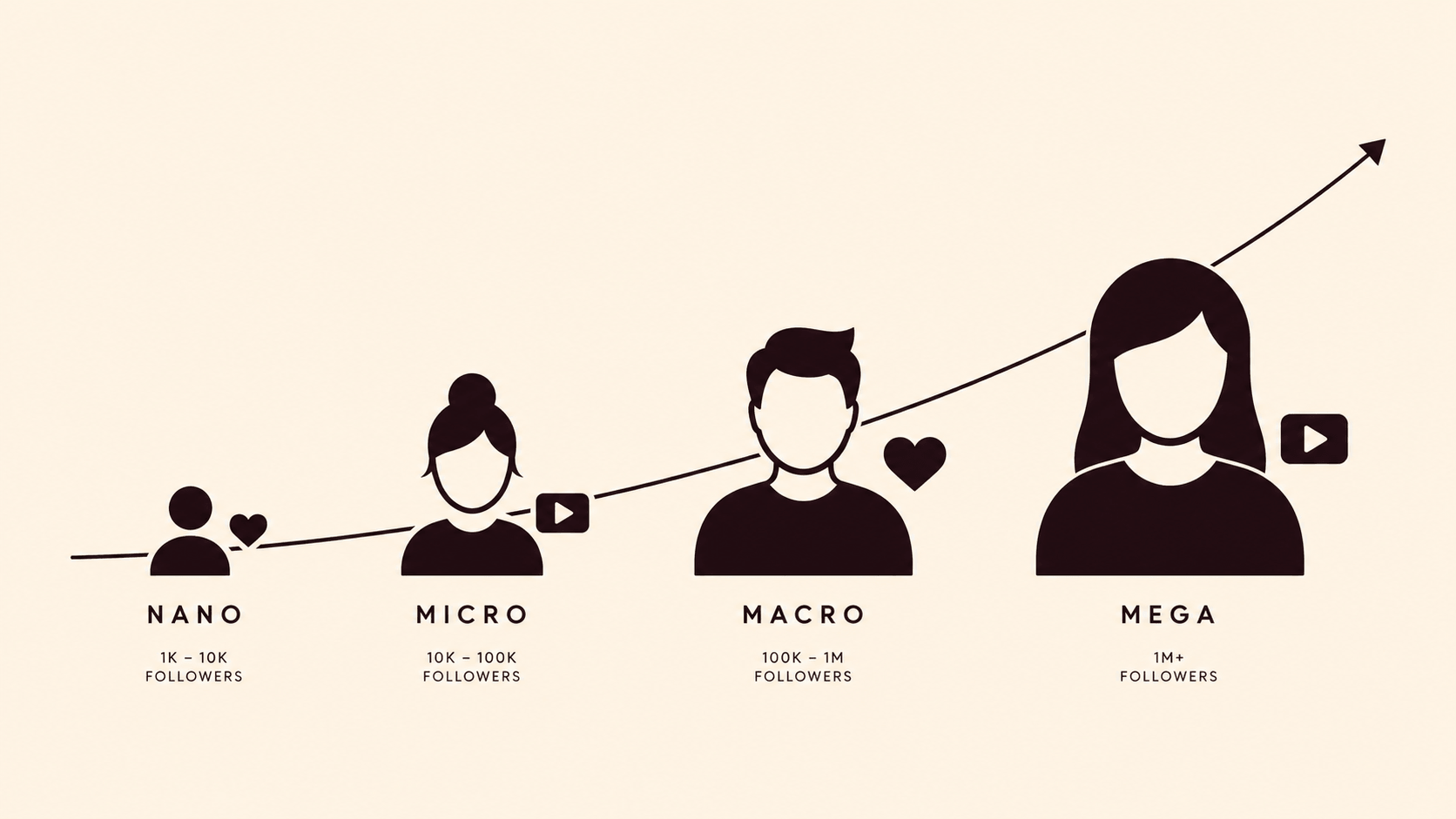
If you've ever asked "how much do influencers actually charge?", the honest answer is: it depends heavily on their tier, platform, and niche. There's no single "influencer rate" — a nano-creator on Instagram and a mega-creator on YouTube operate in completely different pricing worlds.
This guide breaks down real 2026 market ranges across Instagram, TikTok, and YouTube, specifically for brands in beauty, tech, gaming, and fashion — the categories where pricing swings the most.
Why Influencer Pricing Isn't One-Size-Fits-All
Before looking at numbers, it helps to understand what actually moves the price:
- Follower tier — bigger audience generally means higher cost, but not always higher ROI
- Platform — a YouTube integration takes far more production time than a TikTok clip, and pricing reflects that
- Niche — tech and gaming creators often command higher rates due to stronger purchase intent among their audiences
- Engagement rate — a smaller, highly engaged audience can outperform a larger, passive one
- Deliverable complexity — a single Reel costs less than a YouTube dedicated segment with scripting and editing
- Usage rights & exclusivity — whitelisting, paid ad usage, and category exclusivity all add to the base rate
Keep these variables in mind — they explain why the ranges below are ranges, not fixed prices.
Rate Breakdown by Tier x Platform (USD, 2026)
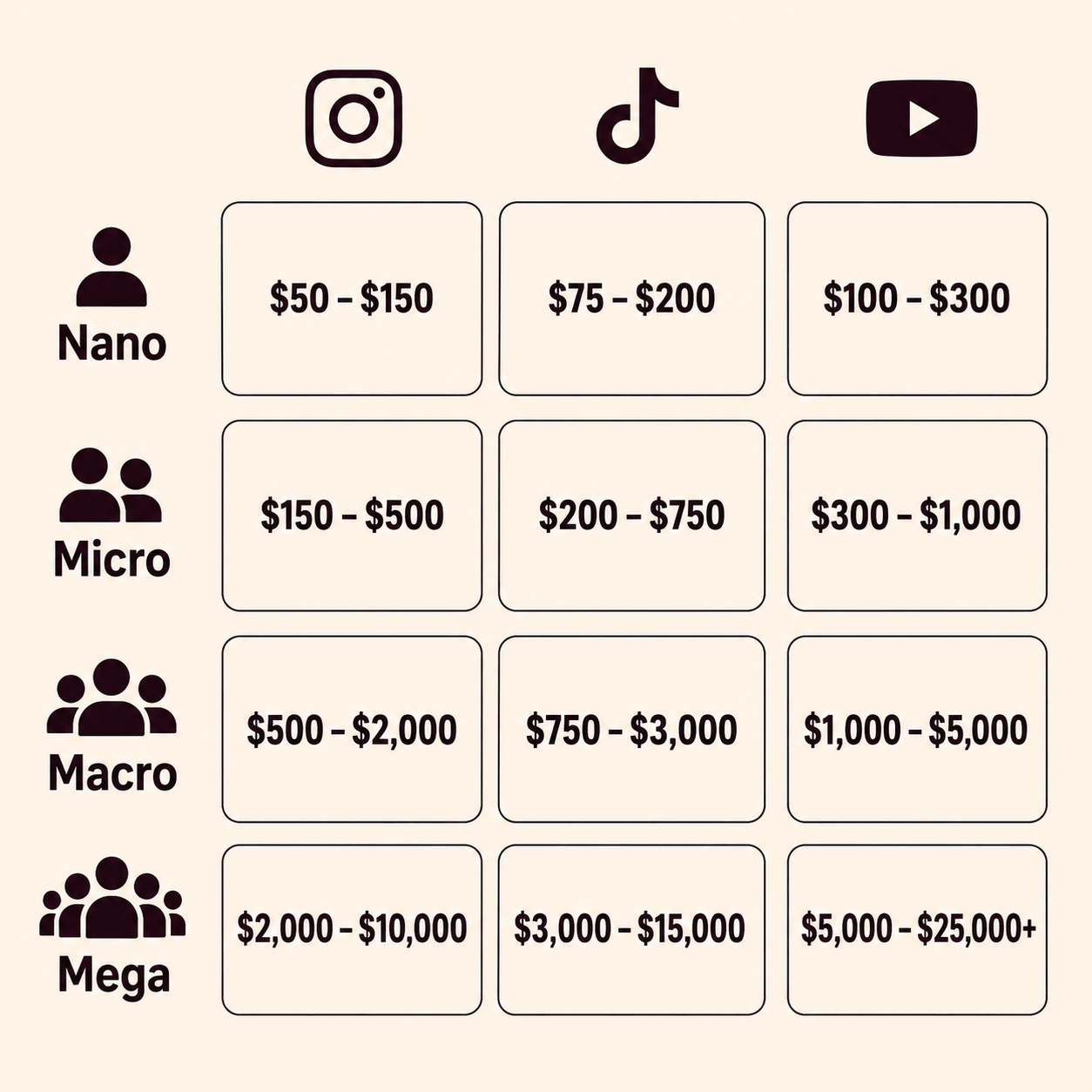
| Tier | Followers | Instagram Reel | TikTok Video | YouTube Integration (60–90 sec) |
|---|---|---|---|---|
| Nano | 1K–10K | $50 – $250 | $50 – $200 | $200 – $500 |
| Micro | 10K–50K | $250 – $1,000 | $200 – $800 | $500 – $2,000 |
| Macro | 50K–500K | $1,000 – $10,000 | $800 – $8,000 | $2,000 – $20,000 |
| Mega | 500K+ | $10,000 – $50,000+ | $8,000 – $40,000+ | $20,000 – $100,000+ |
Note: Ranges reflect general 2026 US market estimates for single-deliverable posts (one Reel, one TikTok video, or one YouTube integration segment). Actual rates vary by individual creator, audience quality, and campaign scope.
A quick way to read this: nano and micro creators are typically priced for volume and authenticity — brands often run multiple nano/micro creators in parallel rather than one big-name post. Macro and mega creators are priced for reach and brand halo effect, and usually make more sense for awareness-stage campaigns.
How Niche Affects Pricing
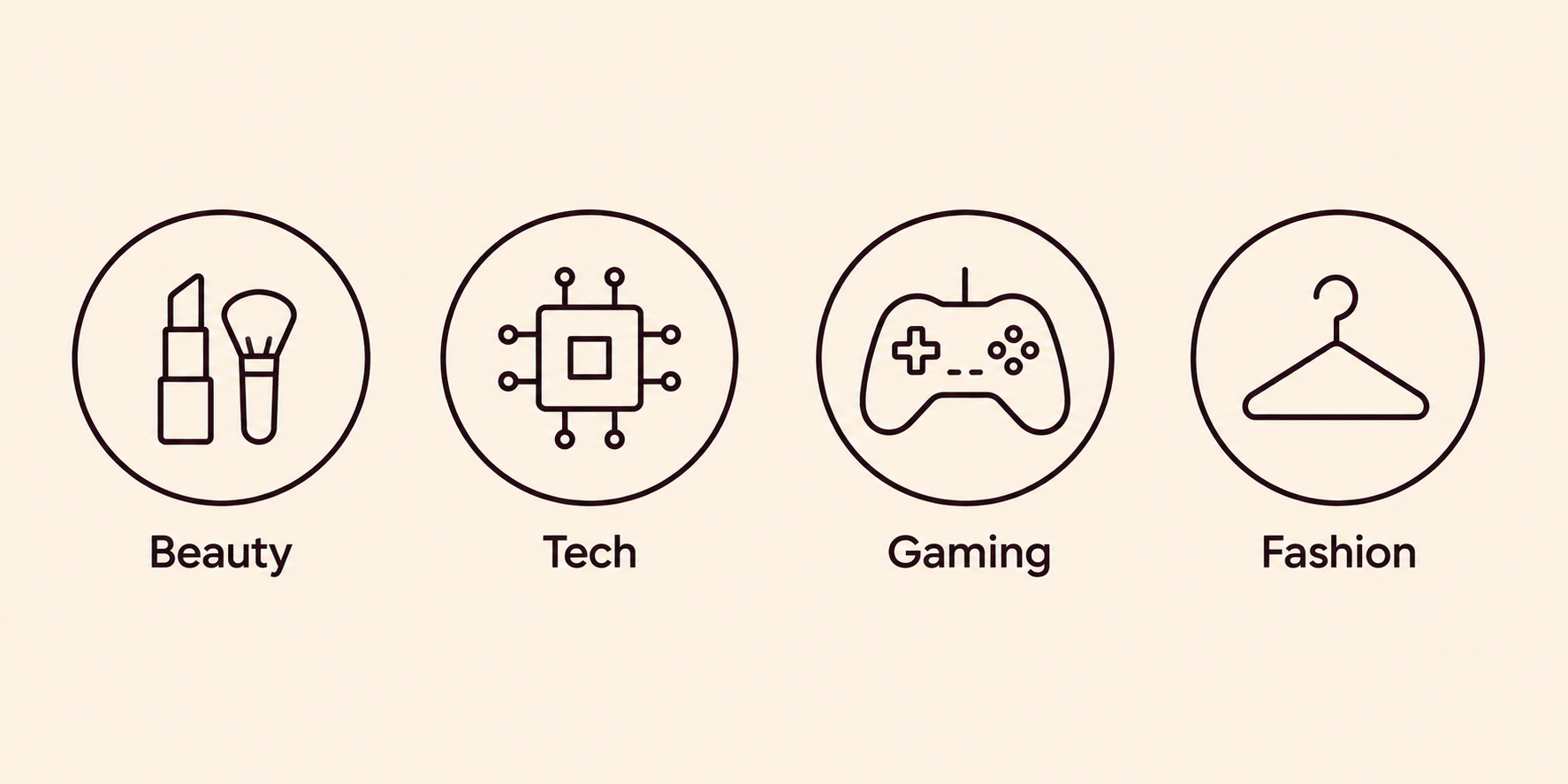
Pricing shifts noticeably by category:
- Tech & Gaming — Audiences in these niches tend to have strong purchase intent and higher average order values, so creators in these spaces often price at the higher end of their tier, especially for review-style or integration content.
- Beauty & Fashion — These niches have some of the deepest creator pools in the market, which means more competition and often more price flexibility — but also higher expectations around content quality and aesthetics.
This is one of the reasons a "flat rate card" rarely works well in practice — a micro tech creator and a micro beauty creator can have very different pricing even at the same follower count.
What's Included at This Price (and What's Not)
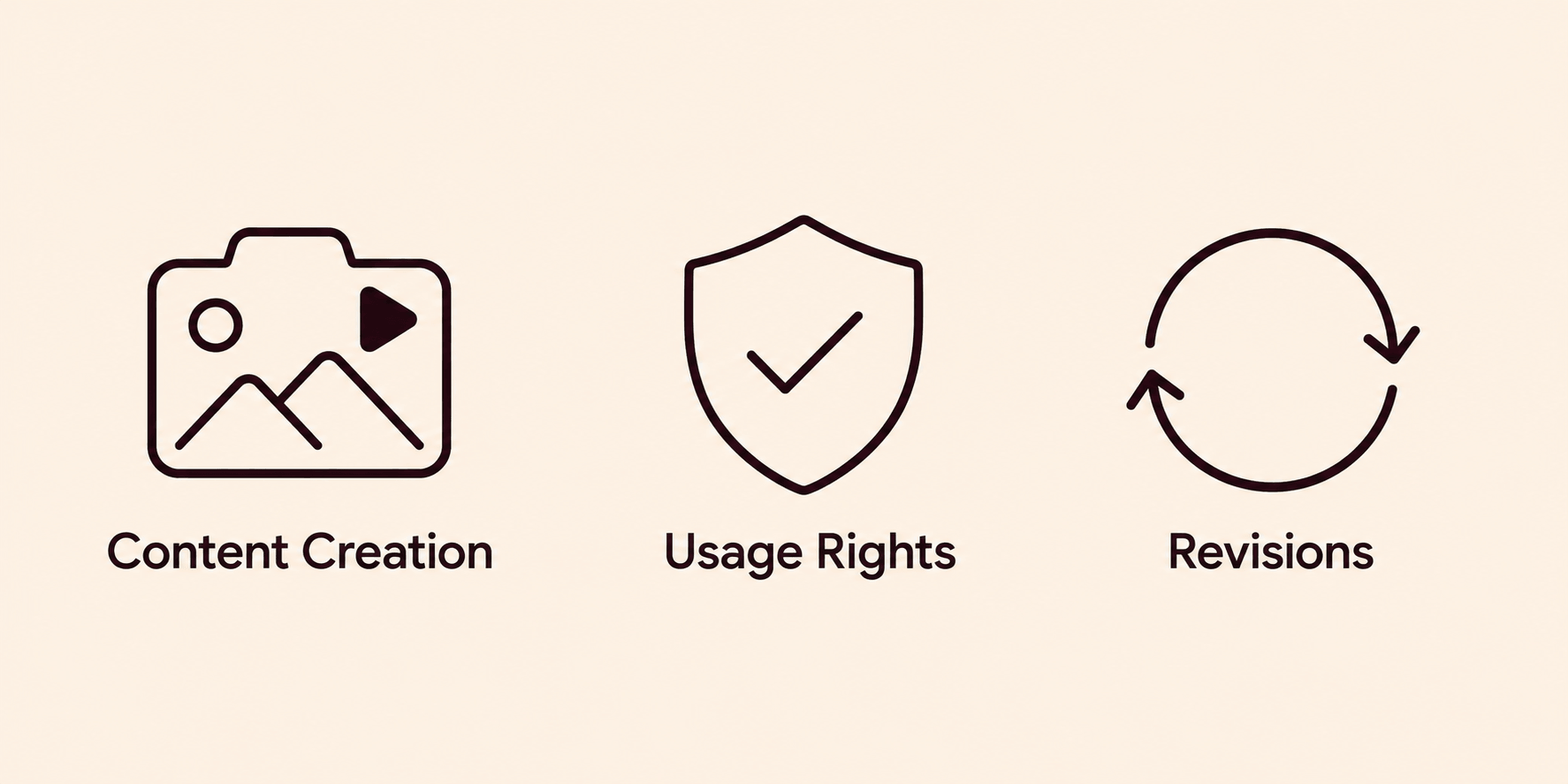
The rates above typically cover the base content creation and one round of organic posting. They usually do not automatically include:
- Usage rights for running the content as paid ads (whitelisting) — often adds 50–100%+ on top of the base rate
- Category exclusivity — asking a creator not to work with competitor brands for a period
- Revisions beyond one round — most creators include one revision; additional rounds are often billed separately
- Rush delivery — expedited turnaround can carry a premium
Brands who don't clarify these upfront are often the ones surprised by a "final invoice" that looks nothing like the number they were originally quoted.
Why Rates Alone Don't Tell the Full Story
A creator's price tag is only half the picture. Two creators at the same follower count and same rate can deliver dramatically different results depending on:
- Audience authenticity (real engagement vs. inflated followers)
- Content-to-brand fit
- Past campaign performance in your specific category
- How well the collaboration is briefed, managed, and negotiated
This is where most of the real cost inefficiency in influencer marketing actually happens — not in the rate itself, but in picking the wrong creator, poor briefing, or paying full price without knowing what "fair" looks like for that specific niche and platform. Agencies that specialize in a given vertical typically have visibility into current market rates and creator performance history that individual brands negotiating alone don't have access to.
Get Accurate Rates for Your Specific Campaign
Rate cards are a helpful starting point, but every campaign is different. If you'd like a custom quote based on your brand's niche, platform priorities, and goals, fill out our quick brief form and our team will follow up with tailored recommendations and vetted creator options.

Fill Out the Brand Brief Form →
Have a specific campaign in mind? AUFSTRO works with beauty, tech, gaming, and fashion brands across Instagram, TikTok, and YouTube — from single-creator collaborations to full-scale campaigns.